
Vietnam Travel Guide 2025: Complete Journey Planner
Nomadic Southeast Asia contains affiliate links and is a member of the Amazon Services LLC Associates Program. If you make a purchase using one of these Amazon links, I may receive compensation at no extra cost to you. See my Disclosure Policy for more information.
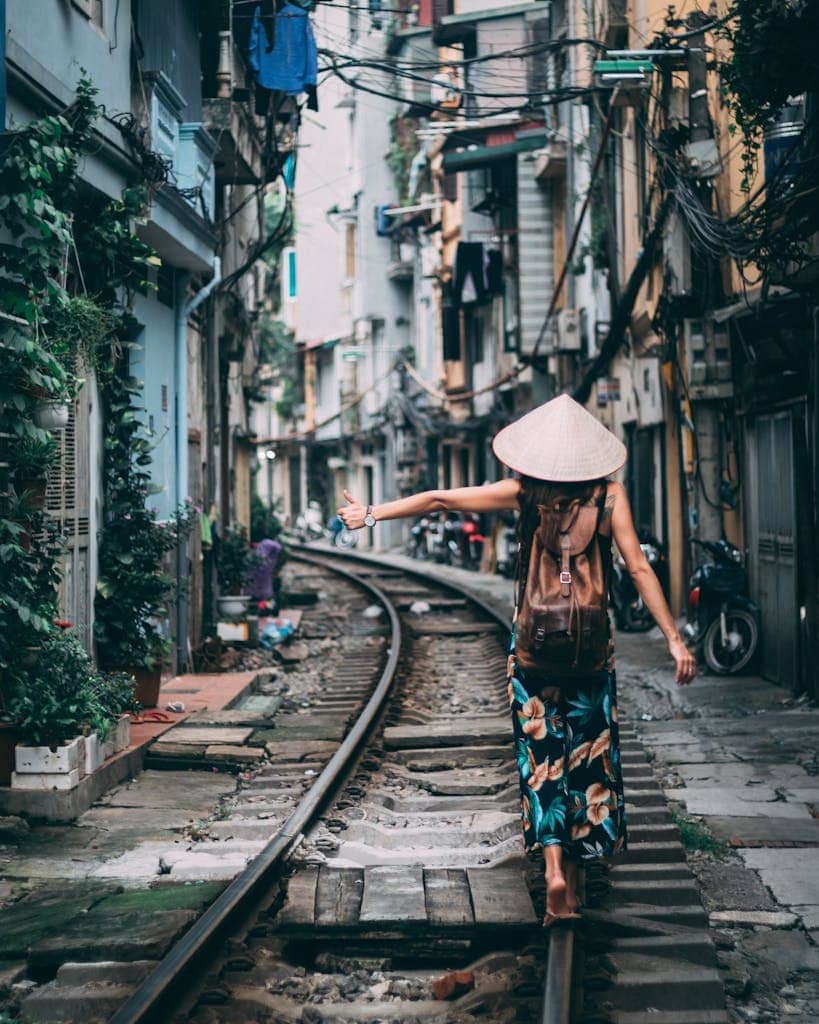
Vietnam is one of those destinations that gets under your skin and stays there, in the best way!
From the bustling streets of Hanoi to the serene waters of Ha Long Bay, this Southeast Asian gem offers experiences that’ll leave you planning your next visit before you’ve even left.
But here’s the thing about Vietnam – timing really matters, and knowing when to go can make the difference between an okay trip and an absolutely unforgettable adventure.
Key Takeaways That’ll Transform Your Vietnam Experience
- The Regional Reality Check: Vietnam stretches over 1,000 miles from north to south, which means you’re essentially traveling through multiple climate zones. What works in Ho Chi Minh City might leave you unprepared for the mountains of Sapa.
- Festival Magic: Vietnamese festivals aren’t just celebrations – they’re windows into the soul of the culture. Plan around them, and you’ll experience Vietnam like most tourists never do.
- Weather Wisdom: Those sudden tropical downpours? They’re not just inconvenient – they’re part of Vietnam’s charm. But knowing when they’re most likely to happen helps you pack smart and plan better.
- Budget Benefits: Understanding seasonal patterns helps you stretch your travel budget further and avoid the tourist traps that inflate prices during peak times.
Vietnam: Why Getting Your Timing Right Makes All the Difference?

Picture this: you’re standing in the ancient streets of Hoi An during a perfect autumn evening, lanterns glowing overhead while a gentle breeze keeps you comfortable.
Compare that to being caught in a tropical downpour without proper gear, or shivering in the northern mountains because you didn’t expect it to be quite so chilly. That’s the power of good timing in Vietnam.
Here’s what you’ll gain from planning your visit strategically:
- Comfort over chaos: Traveling during optimal weather means more time enjoying attractions and less time seeking shelter from storms
- Better value: Off-peak seasons often mean lower accommodation prices and fewer crowds at popular sites
- Cultural immersion: Aligning your visit with local festivals gives you authentic experiences that tourists often miss
- Photography gold: Clear skies and perfect lighting conditions make for those Instagram-worthy shots you’ll treasure forever
- Health benefits: Avoiding extreme weather reduces travel fatigue and keeps you energized for adventures
Vietnam’s Weather Patterns: What You Really Need to Know?
Let’s talk about Vietnam’s weather honestly. It’s not as simple as “hot and humid all year” – though you’ll definitely encounter both of those conditions! Understanding the nuances will help you pack right and plan better.
The Climate Breakdown That Actually Matters
Vietnam’s weather operates on a few key principles that, once you understand them, make everything else click into place:
The North-South Temperature Gradient: The further north you go, the more seasonal variation you’ll experience. Hanoi can actually get quite chilly in winter (we’re talking jacket weather), while Ho Chi Minh City stays consistently warm year-round.
The Monsoon Factor: Vietnam has two monsoon seasons that affect different parts of the country at different times. This isn’t just about rain – it influences everything from humidity to wind patterns.
Altitude Adjustments: Those gorgeous mountain destinations like Sapa can be significantly cooler than surrounding lowlands, sometimes by 10-15 degrees Celsius.
Pro Tip: Download a reliable weather app before you go, but don’t obsess over daily forecasts. Vietnam’s weather can change quickly, so pack for variability rather than specific predictions.
Regional Weather Wisdom: Your Planning Compass
| Region | Sweet Spot Timing | What to Expect | Insider Benefits |
|---|---|---|---|
| Northern Vietnam | September-November | Cool, crisp air with stunning clear skies | Perfect for trekking, fewer crowds at Ha Long Bay |
| Central Vietnam | February-April | Warm days, cool evenings, minimal rain | Ideal beach weather, comfortable temple exploring |
| Southern Vietnam | December-April | Hot and sunny with occasional brief showers | Best river cruise weather, vibrant street life |
These are guidelines, not rules. Vietnam’s weather has gotten less predictable in recent years due to climate change, so build flexibility into your plans.
Regional Deep Dive: Where to Go and When in Vietnam
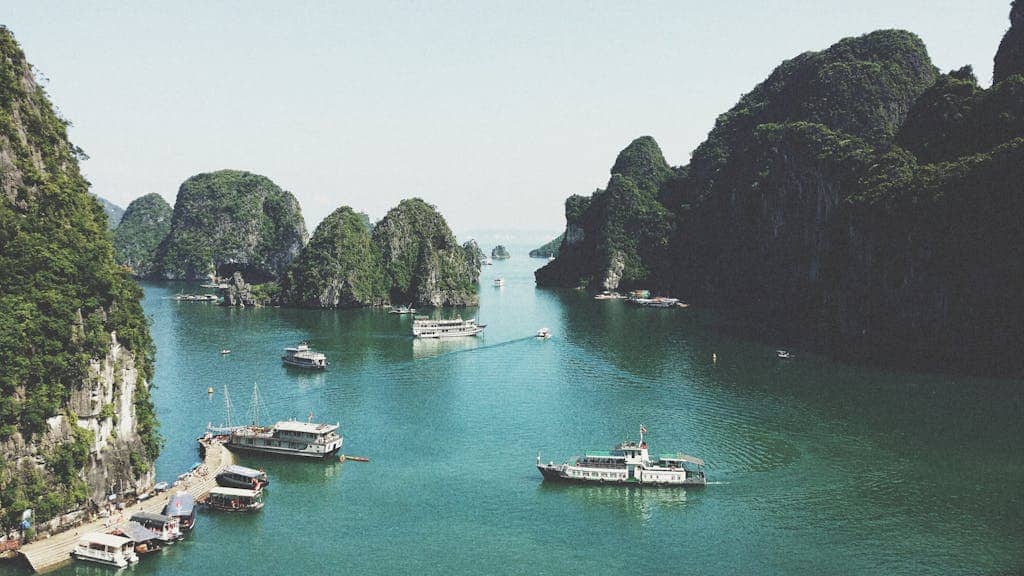
Northern Vietnam: Mountains, Cities, and Cultural Treasures
The north is where Vietnam’s four-season personality really shines.
You’ve got Hanoi with its incredible street food scene, the otherworldly beauty of Ha Long Bay, and mountain adventures in places like Sapa that’ll take your breath away (literally, thanks to the altitude).
Best Time to Visit: Late September through early November is pure magic. The oppressive summer heat has lifted, but you haven’t hit the chilly winter months yet.
Smart Planning Tips:
- Layer like a pro: Even in autumn, mornings can be misty and cool while afternoons warm up nicely
- Book Ha Long Bay cruises in advance: Good weather means everyone wants to be on the water
- Pack for altitude: If you’re heading to Sapa or other mountain areas, bring warmer clothes than you think you’ll need
Hidden Benefits of Visiting Northern Vietnam in Autumn:
- Street food is at its absolute best when the weather’s comfortable for wandering.
- Clear skies mean Ha Long Bay’s limestone karsts look like something from another planet.
- Locals are more active and social when the oppressive summer heat breaks.
- Photography conditions are ideal with soft, clear light.
What to Avoid:
- July and August bring heavy rains and stifling humidity that can make outdoor activities uncomfortable.
- Winter months (December-February) can be surprisingly chilly and drizzly.
Central Vietnam: Where History Meets the Sea
Central Vietnam is the country’s cultural heartland, home to ancient imperial cities, UNESCO World Heritage sites, and some of the most beautiful coastline you’ll ever see.
Hue, Da Nang and Hoi An each offer unique experiences, but timing your visit right is crucial here.
Best Time to Visit: February through April gives you the perfect balance of warm days, cool evenings, and minimal rain.
Strategic Planning Approach:
- Storm Season Awareness: Central Vietnam can be hit by typhoons between September and November, so monitor weather patterns if you’re visiting during these months.
- Festival Coordination: Hoi An’s monthly lantern festival is magical, but plan around the lunar calendar for the best experience.
- Beach Strategy: March and April offer ideal beach conditions without the scorching heat of summer.
Unique Advantages of Perfect Timing:
- Ancient temples and imperial sites are comfortable to explore without excessive heat.
- Coastal activities like snorkeling and beach time are at their peak.
- Local festivals are in full swing with pleasant weather enhancing outdoor celebrations.
- River activities along the Perfume River in Hue are delightful.
Practical Benefits You’ll Love:
- Hotel prices are reasonable before peak season kicks in.
- Restaurants with outdoor seating are actually enjoyable.
- Walking tours don’t leave you exhausted from heat and humidity.
- Photography lighting is consistently good throughout the day.