
Backpacking Timor-Leste: The Ultimate 2025 Guide
Nomadic Southeast Asia contains affiliate links and is a member of the Amazon Services LLC Associates Program. If you make a purchase using one of these Amazon links, I may receive compensation at no extra cost to you. See my Disclosure Policy for more information.
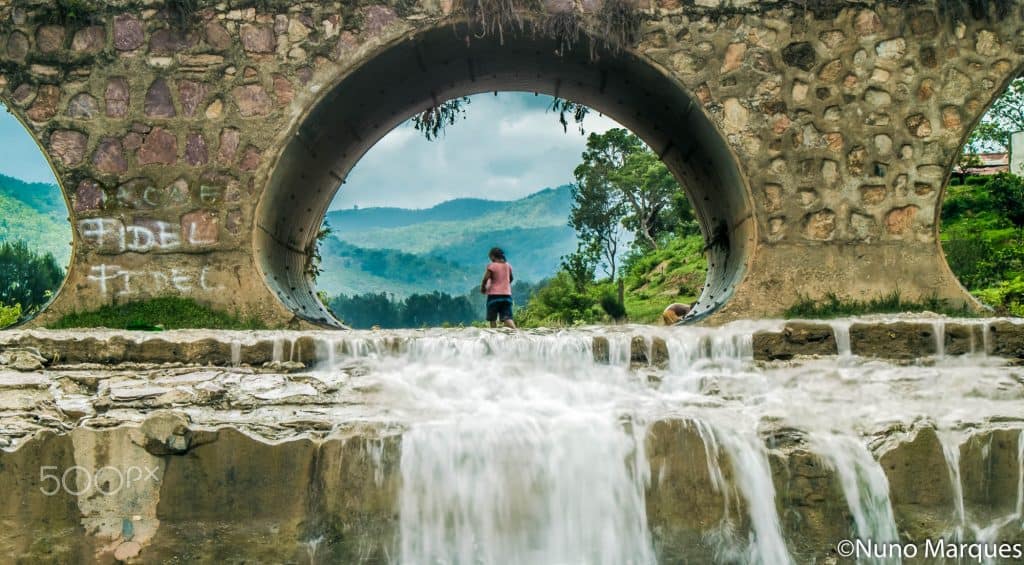
Ready to explore one of Southeast Asia’s best-kept secrets?
Forget the crowded beaches of Thailand or the tourist-packed streets of Vietnam. Backpacking Timor-Leste (East Timor) is where you’ll find the raw, authentic Southeast Asian experience you’ve been craving.
This young nation, barely 25 years old, offers pristine diving, world-class coffee, untouched mountains, and some of the warmest people you’ll ever meet.
I won’t sugarcoat it – backpacking here isn’t always easy.
Infrastructure is basic, English isn’t widely spoken, and you won’t find a 7-Eleven on every corner. But that’s exactly what makes it special.
Why Timor Leste Should Be Your Next Adventure?

It’s criminally under-visited. While millions of backpackers flood Thailand and Indonesia, Timor Leste sees fewer than 75,000 tourists annually. You’ll have pristine beaches to yourself and authentic cultural experiences without the Instagram crowds.
Your money goes further. A decent meal costs $3-5, local transport is under $2, and you can find accommodation for $10-15 per night. Compare that to Bali’s inflated prices.
The diving is world-class. The waters around Atauro Island consistently rank among the world’s most biodiverse. We’re talking 253 species of reef fish in a single dive site – that’s more than the entire Caribbean.
Plan: Backpacking Timor-Leste, What You Need to Know..
Best Time to Visit
Dry season (May to October) is ideal for most activities. Roads are more accessible, diving conditions are perfect, and you won’t be battling daily downpours.
Wet season (November to April) brings lush landscapes and fewer tourists, but expect muddy roads and occasional transport delays. If you’re flexible and don’t mind getting a bit wet, you can save money and have even more authentic experiences.
Budget Reality Check
Here’s what you’ll actually spend per day:
- Shoestring budget: $20-30/day
- Mid-range comfort: $40-60/day
- Comfortable travel: $70-100/day
Pro tip: ATMs are scarce outside Dili. Bring USD cash – it’s widely accepted alongside the official currency.
Getting There and Around
Flights: Fly into Dili via Darwin (Australia) or Denpasar (Indonesia). Book early – there are limited flights.
Local transport: Mikrolets (shared minivans) are your best friend for intercity travel. They’re cheap ($1-3 per journey) but run on “island time.” Embrace the pace.
Motorbike rental: Around $10-15/day in Dili. Roads can be challenging – only attempt if you’re an experienced rider.
Must-Visit Timor Leste: Destinations That’ll Blow Your Mind

Dili: More Than Just a Capital”
Don’t just use Dili as a jumping-off point. Interestingly, enough “Dili” is a word that locals say means cliff. This seaside capital has serious character:
Cristo Rei Statue: The 27-meter Christ statue offers panoramic views. Visit at sunrise for magical light and zero crowds.
Tais Market: Haggle for traditional woven textiles. These aren’t tourist trinkets – they’re genuine cultural artifacts with deep meaning.
Resistance Museum: Understand Timor Leste’s brutal independence struggle. It provides crucial context for everything you’ll see.
Where to stay: Alecrim Namru Homestay/ Guest House ($20-50/night) is backpacker central and great for digital nomads. Good vibes, reliable wifi, and other travelers to share tips with.
Atauro Island: Diving Paradise
Atauro Island a 90-minute ferry ride from Dili takes you to what might be the best diving in the world.
The diving: Visibility often exceeds 30 meters. You’ll see everything from tiny nudibranchs to massive schools of barracuda. Even snorkeling here beats diving in many other countries.
The accommodation: Barry’s Place ($15/night) is legendary among backpackers. Basic but clean, with a communal vibe perfect for swapping stories.
Beyond diving: Hike to traditional villages, learn about local fishing techniques, or just chill on beaches that look like screensavers.
Insider tip: Book diving through local operators, not through your accommodation. You’ll save 30-40% and support local businesses directly.
Mount Ramelau: Southeast Asia’s Sacred Summit
Mount Ramelau at 2,963 meters, this is Timor Leste’s highest peak and a pilgrimage site for locals.
The trek: It’s challenging but doable for anyone with basic fitness. Start the night before and summit for sunrise – trust me on this.
What to expect: The final approach involves some scrambling over rocks. The sunrise views over both the north and south coasts are absolutely worth the 4 AM wake-up call.
Practical details: Base yourself in Maubisse village the night before. Local guides cost around $20 and are worth every cent for navigation and cultural insights.
Practical Tips That Actually Matter
Language Hack
Download Google Translate with offline Tetum. While Portuguese is official, Tetum is what locals actually speak. Learn these phrases:
- “Ola, bondia” (Hello, good morning)
- “Obrigado/a” (Thank you)
- “Fali fali” (Slowly, slowly – useful for transport!)
Health and Safety Reality
Vaccinations: Get hepatitis A, typhoid, and Japanese encephalitis. Yellow fever isn’t required but consider it if coming from risk areas.
Water: Stick to bottled water or use purification tablets. Seriously, your stomach will thank you.
Malaria: Low risk but present. Use repellent and consider prophylaxis if visiting rural areas during wet season.
Safety: Timor Leste is genuinely safe. Petty crime is rare, people are helpful, and violent crime against tourists is virtually nonexistent.
Money Matters
- USD is king – bring clean bills
- Credit cards work in some Dili hotels and restaurants
- Always have cash backup
- Tipping isn’t expected but is appreciated (10% in restaurants)
Cultural Insights: Respect Goes a Long Way
Dress modestly outside beach areas. Shoulders and knees covered in villages and religious sites.
Ask before photographing people. Many are happy to pose, but asking shows respect.
Learn about the history. The independence struggle is recent and traumatic. Show interest and respect when locals share their stories.
Take time for conversations. Timorese people are genuinely curious about visitors. Don’t rush through interactions – some of my best travel memories are random conversations with locals.
Hidden Gems: Where Guidebooks Fear to Tread
Jaco Island
Jaco Island is technically part of a national park and uninhabited, this small island offers pristine beaches and excellent snorkeling. Day trips from Tutuala village cost around $40.
Marobo Hot Springs
Marobo Springs home to natural hot springs in a jungle setting near the Indonesian border. The journey is half the adventure – bumpy roads through stunning landscapes.
Ai-Pelo Cave
Ai One of Timor Leste’s longest caves, with underground rivers and impressive formations. Bring headlamps and prepare to get muddy.
Sample 10-Day Itinerary
Days 1-3: Dili
- Arrive, get oriented, visit museums and markets
- Day trip to Liquica beach
- Organize onwards travel
Days 4-6: Atauro Island
- Ferry from Dili
- Diving/snorkeling
- Village visits and beach time
Days 7-8: Mount Ramelau
- Travel to Maubisse
- Summit hike and sunrise
- Coffee plantation visits
Days 9-10: Dili and departure
- Return to capital
- Last-minute shopping
- Departure
Real Challenges You Might Face in East Timor
Limited infrastructure: Power cuts happen. Internet can be spotty. Roads flood during rainy season.
Language barriers: English isn’t widely spoken. Patience and gestures go far.
Transport delays: “Island time” is real. Build flexibility into your schedule.
Limited nightlife: If you’re after party scenes, this isn’t your destination.
Basic medical facilities: For serious issues, you might need evacuation to Darwin or Jakarta.
Why It’s All Worth It
Despite the challenges – or maybe because of them – Timor Leste offers something increasingly rare: genuine, unfiltered travel experiences.
You’ll swim in waters David Attenborough called “the most biodiverse on Earth,” drink coffee grown on volcanic slopes, and meet people whose resilience and warmth will restore your faith in humanity.
This isn’t just another passport stamp. It’s a chance to witness a nation writing its story in real-time, to support communities through responsible tourism, and to experience Southeast Asia as it was before the tour buses arrived.
Final Thoughts: Just Go
Timor Leste won’t be a secret forever. Infrastructure is improving, word is spreading, and change is coming.
If you want to experience this remarkable country before it changes, now is the time.
Yes, it’s challenging.
Yes, you’ll need patience. But if you’re reading a backpacking guide, you’re probably not afraid of a little adventure. Timor Leste rewards the curious, the patient, and the open-minded with experiences you simply can’t get anywhere else.
Pack light, bring an open mind, and prepare for one of Southeast Asia’s last great adventures.
Frequently Asked Questions (FAQs)
Is Timor Leste safe for solo female travelers?
Yes, Timor Leste is generally very safe for solo female travelers. The crime rate is low, and locals are respectful and helpful. That said, use common sense: dress modestly (especially in rural areas), avoid walking alone at night in Dili, and trust your instincts. Many solo female backpackers report feeling safer here than in other Southeast Asian destinations. The biggest challenges are logistical (language barriers, transport delays) rather than safety-related.
Do I need a visa to visit Timor Leste?
Most visitors can get a visa on arrival for $30 (30 days) or apply online in advance. Citizens of ASEAN countries, Portugal, and a few others get free entry. Your passport needs at least 6 months validity. The process is straightforward, but bring exact change in USD and have your return ticket ready to show. If you’re planning to stay longer or visit multiple times, consider getting the 60-day visa for $75.
What’s the internet and phone situation like?
Internet is decent in Dili but spotty elsewhere. Most accommodations have WiFi, though speeds can be slow. For reliable connection, buy a local SIM card from Timor Telecom or Telemor (around $5-10 with data). 4G coverage exists in main towns but don’t expect it in remote areas. Download offline maps, translation apps, and any important documents before heading to rural areas. WhatsApp works well for staying in touch with family.
How much cash should I bring, and what currency?
Bring USD cash – lots of it. While the official currency is USD, ATMs are scarce outside Dili and often empty or broken. I recommend bringing at least $500-800 in clean, newer bills for a 10-day trip. Denominations of $20, $10, $5, and $1 are most useful. Some places accept credit cards in Dili, but cash is king everywhere else. You can’t rely on cards or ATMs like in other countries, so overestimate your cash needs.
Is the food safe to eat, and what should I try?
The food is generally safe if you follow basic precautions: eat at busy places with high turnover, avoid raw vegetables unless you can peel them yourself, and stick to bottled water. Must-try dishes include ikan saboko (grilled fish with spices), batar daan (corn and mung bean stew), and incredible fresh seafood. The coffee is world-class – some of the best you’ll ever taste. Street food is usually fine, but start slowly to let your stomach adjust. Vegetarians will find options but might need to ask about fish sauce in dishes.
