Malaysia Itineraries: 10, 15, or 21 Days of Adventure
Nomadic Southeast Asia contains affiliate links and is a member of the Amazon Services LLC Associates Program. If you make a purchase using one of these Amazon links, I may receive compensation at no extra cost to you. See my Disclosure Policy for more information.
What if Malaysia could be more than a trip? What if it was the backdrop for your next chapter?
Whether you’re planning the adventure of a lifetime, seeking a serene retirement haven, making a savvy investment in a second home, or preparing for the spiritual journey of Hijrah, we’ve got your map.
As the saying goes, “A journey of a thousand miles begins with a single step.” Let your journey of discovery begin here.
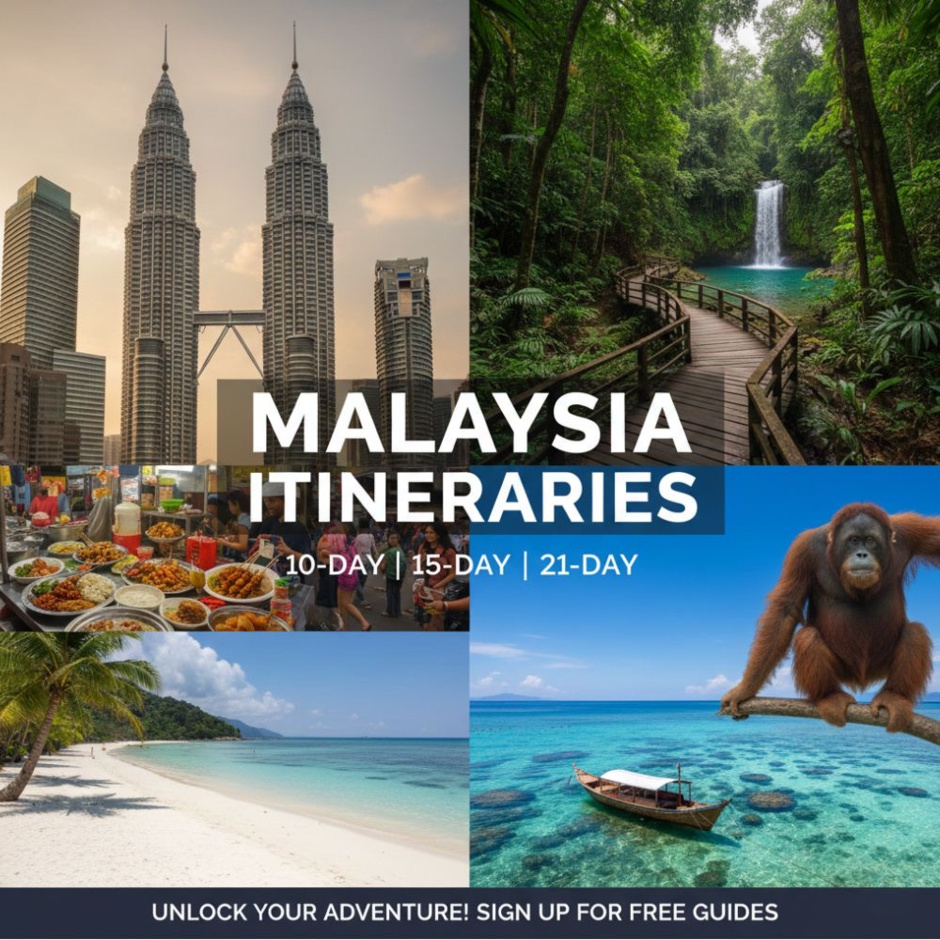
Indulge in my curated 10, 15, and 21-day itineraries—your guide to the landscapes, flavors, and communities that make Malaysia not just a place to see, but a place to belong.
It has this amazing vibe that draws you in.
Key Takeaways
- Malaysia offers diverse experiences perfect for 10, 15, or 21-day itineraries. Whether you’re into bustling cities or tranquil beaches, there’s something for everyone.
- Planning helps a ton! Knowing what you wanna see and how long you’ll stay in each place makes the trip smoother.
- For digital nomads, our blog at Nomadic Southeast Asia has killer tips on how you can work and chill in Malaysia, from cozy cafes to hotspot connectivity.
- Local food is a must-try. From street stalls to fancy restaurants, the blend of Malay, Chinese, and Indian flavors is super yummy.
- Always check out the local travel guidelines and visa requirements; getting into a hassle is no fun, right?
Malaysia Itineraries: Plan Your Adventure & Travel Guides
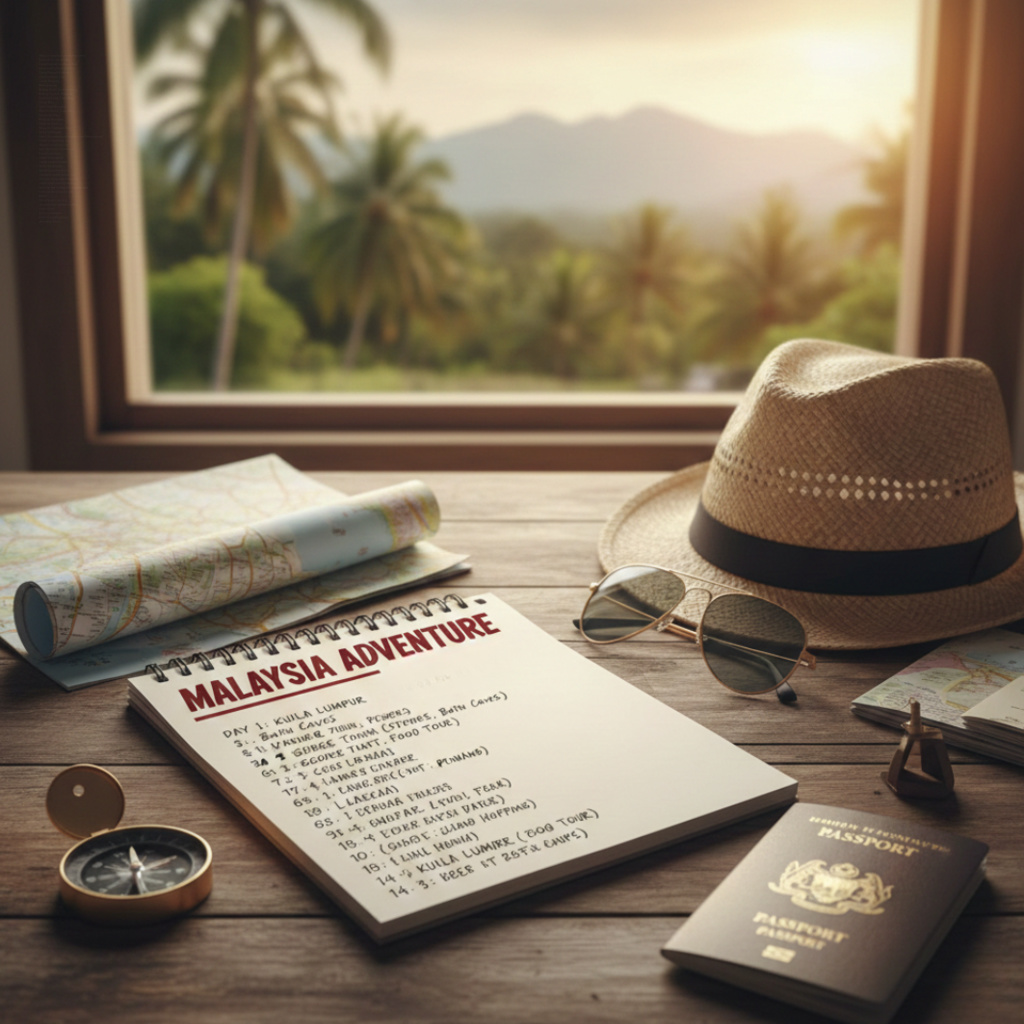
Malaysia welcomes you with a vibrant mix of cultures, stunning landscapes, and a warm tropical climate that varies throughout the year. Whether you’re looking to explore bustling cities, serene beaches, or lush rainforests, Malaysia offers something for every traveler.
Weather Conditions and Regional Highlights
Malaysia typically features a hot and humid climate, but it can vary greatly from one region to another. Planning your visit according to the weather is key:
- Peninsular Malaysia (Kuala Lumpur, Penang, Langkawi): Best visited during the drier months from December to February.
- East Malaysia (Borneo regions like Kota Kinabalu and Sandakan): Best times are generally March through October to avoid heavy rains.
Malaysia 10-Day Itinerary
If you have ten days, here’s how you can immerse yourself in Malaysia’s most iconic locations:
Kuala Lumpur (3 Days)
Day 1: City Icons and Culture Start your morning at the famous Petronas Twin Towers. Get there early around 9 AM to beat the crowds and snap amazing photos. Buy tickets for the Skybridge and observation deck to see the whole city from above. It’s honestly breathtaking.
For lunch, head to Jalan Alor, one of the best street food areas in the city. Try char kway teow (flat noodles with seafood) from any of the busy stalls. The busier the stall, the better the food!
In the afternoon, visit the Batu Caves. These huge limestone caves have a giant golden statue and colorful steps leading up. You’ll climb 272 steps, so wear comfy shoes. Watch out for cheeky monkeys who might try to grab your stuff!
For dinner, go to Hutong Food Court in Lot 10 Shopping Centre. It’s air-conditioned and has all the famous hawker stalls in one place. Don’t miss the Hokkien Mee and fresh coconut water.
Day 2: Markets and Local Life Start at Central Market around 10 AM. This is where you’ll find handmade crafts, batik prints, and souvenirs. Bargaining is expected here, so don’t pay the first price they say!
Walk to Chinatown and explore Petaling Street Market. The energy here is wild. Try popiah (fresh spring rolls) from the street vendors.
After lunch, visit the Islamic Arts Museum. Even if you’re not usually into museums, this one is different. The building itself is gorgeous, and the exhibits show you how art and faith come together in beautiful ways.
End your day in Bukit Bintang, the shopping and entertainment district. Have dinner at Nasi Kandar Pelita, which is open 24 hours. Order nasi kandar with different curries poured over rice. Mix and match whatever looks good!
Day 3: Hidden Gems Visit KL Forest Eco Park, a rainforest right in the middle of the city. Walk across the canopy bridge and spot monkeys and colorful birds.
For lunch, try a banana leaf restaurant where they serve your meal on an actual banana leaf. Use your right hand to eat like locals do. It feels weird at first but super fun!
Spend your afternoon at Thean Hou Temple, one of the oldest Chinese temples in Southeast Asia. The architecture is stunning, and if you’re lucky, you might see a traditional wedding ceremony.
For your last dinner in KL, visit Atmosphere 360, the revolving restaurant in KL Tower. Yes, it’s touristy, but the buffet is amazing and you get 360-degree views while eating.
Penang (3 Days)
Day 1: George Town Street Art and Food George Town is a UNESCO World Heritage site, and you’ll see why immediately. Start at Armenian Street and hunt for the famous street art murals. The “Kids on Bicycle” mural is super Instagram-worthy.
For breakfast, try char koay teow at Lorong Selamat. Get there before 10 AM because they sell out fast. This is arguably the best version you’ll ever taste.
Visit the Pinang Peranakan Mansion to learn about the Straits Chinese culture. The mansion is filled with antiques and shows how wealthy families lived 100 years ago.
For lunch, head to New Lane (Lorong Baru) hawker stalls. Try assam laksa, a sour and spicy fish soup that Penang is famous for. Also grab some cendol, a sweet dessert with shaved ice, coconut milk, and green jelly noodles.
Spend your evening at Gurney Drive, eating at the hawker center while watching the sunset over the ocean.
Day 2: Temples and Heights Visit Kek Lok Si Temple, the largest Buddhist temple in Malaysia. The seven-story pagoda combines Chinese, Thai, and Burmese architecture. Come in the evening when everything is lit up with thousands of lights.
For lunch, stop at a kopitiam (traditional coffee shop) and order Hainanese chicken rice. The chicken is so tender it falls off the bone.
Take the funicular train up Penang Hill. At the top, you’ll get amazing views of the island and mainland. Bring a light jacket because it’s cooler up there.
Have dinner at one of the restaurants on top of Penang Hill, or head back down to Little India for authentic Indian food. Try roti canai with dhal curry and teh tarik (pulled tea).
Day 3: Beach and Culture Spend your morning at Batu Ferringhi Beach. The water is warm and perfect for swimming. You can try parasailing, jet skiing, or just relax under the palm trees.
For lunch, eat fresh seafood at one of the beachside restaurants. The grilled fish with sambal (spicy sauce) is incredible.
In the afternoon, visit Clan Jetties, where Chinese families have lived in houses built on stilts over the water for over 100 years. Each jetty is like a little village with its own temple and shops.
For your final Penang dinner, do a street food crawl. Hit multiple stalls and try small portions of everything: oyster omelet, satay, rojak (fruit salad with peanut sauce), and whatever else catches your eye.
Langkawi (4 Days)
Day 1: Cable Car Adventure Take the Langkawi Sky Cable Car up Mount Mat Cincang. The ride itself is thrilling, and the views are unreal. At the top, walk across the Langkawi Sky Bridge, a curved suspension bridge hanging over the jungle.
Have lunch at the Oriental Village at the cable car base. Try nasi lemak, Malaysia’s national dish. It’s coconut rice with fried anchovies, peanuts, egg, and spicy sambal.
Spend your afternoon at Pantai Cenang, the most popular beach. Rent a kayak or paddleboard, or just swim in the warm water.
For dinner, hit up the night market (pasar malam). These happen on different nights in different areas. Try everything: grilled meats, fresh fruit, local desserts. It’s cheap and delicious.
Day 2: Island Hopping Tour Book an island hopping tour that visits three places: Pregnant Maiden Lake, Beras Basah Island, and Singa Besar Island. You’ll swim in a freshwater lake surrounded by limestone cliffs, have a BBQ lunch on a quiet beach, and maybe spot eagles and monkeys.
The tours usually include lunch, but bring snacks and plenty of water. Don’t forget sunscreen and a waterproof bag for your phone.
After your tour, rest at your hotel or explore Kuah town, the main town in Langkawi. Visit the giant eagle statue at Eagle Square.
Have dinner at a seafood restaurant in Kuah. Order butter prawns and steamed fish with ginger and soy sauce.
Day 3: Water Activities Go snorkeling or diving at Pulau Payar Marine Park. The coral reefs are healthy and colorful, and you’ll see tons of tropical fish. If you’re nervous about diving, snorkeling is just as good here.
For lunch, most tour operators provide a meal, or you can pack sandwiches from your hotel.
In the late afternoon, take a sunset cruise. Many include dinner on board. Watching the sun go down over the Andaman Sea while dolphins swim beside the boat is magical.
Day 4: Waterfalls and Mangroves Visit Seven Wells Waterfall (Telaga Tujuh). Hike up to the natural pools where you can swim. The water is cool and refreshing. It’s about 638 steps up, so bring water and take your time.
For lunch, stop at any local warung (small restaurant) and try mee goreng (fried noodles).
Take a mangrove tour in the afternoon. You’ll kayak or boat through ancient mangrove forests, see limestone caves, spot eagles and monitor lizards, and visit fish farms. Some tours include dinner watching the fireflies, which light up the trees like Christmas lights.
For better understanding and additional attractions, consider checking Lonely Planet’s guide to Malaysia.
Malaysia 15-Day Extended Itinerary Visit
15-Day Extended Malaysia Journey
Includes everything from the 10-day itinerary, plus:
Cameron Highlands (2 Days)
Day 1: Tea and Strawberries The Cameron Highlands is Malaysia’s biggest tea-growing region. The weather here is cool, around 60-70°F, so bring a light jacket.
Visit BOH Tea Plantation, the most famous tea estate. Take a free guided tour to learn how tea is made, then drink fresh tea at the cafe overlooking endless green hills. The scones with strawberry jam are perfect here.
For lunch, try a traditional English tea set at the Cameron Highlands Resort or grab steamboat (hot pot) in Tanah Rata town.
Visit a strawberry farm where you can pick your own strawberries. They also sell strawberry everything: ice cream, smoothies, chocolate-covered strawberries, even strawberry pizza!
Have dinner at a Chinese restaurant in Brinchang town. Order claypot chicken rice and stir-fried vegetables grown in the highlands.
Day 2: Mossy Forest Trek Do the Mossy Forest walk early morning. This ancient forest is covered in thick moss and mist. It feels like you’re in a fantasy movie. Hire a guide because the trails can be confusing.
For lunch, try Indian food at one of the restaurants run by Indian Malaysian families who have lived here for generations.
Visit the Cameron Lavender Garden. It’s not just lavender but also has roses, sunflowers, and other colorful flowers. Take a million photos here.
Stop at a butterfly farm on your way out. You’ll walk through gardens filled with hundreds of butterflies flying around you.
Perhentian Islands (3 Days)
Day 1: Arrival and Beach Time Take a ferry from Kuala Besut to the Perhentian Islands. There are two main islands: Perhentian Besar (bigger and quieter) and Perhentian Kecil (smaller and more backpacker-friendly).
Check into your accommodation and head straight to the beach. Long Beach on Perhentian Kecil is perfect for swimming and watching sunsets.
For lunch and dinner, eat at beachside restaurants. Try fresh grilled fish, tom yam soup, and mango sticky rice for dessert.
Join the evening beach barbecues that many accommodations host. It’s a great way to meet other travelers.
Day 2: Snorkeling and Diving Book a snorkeling or diving trip. The waters around the Perhentians are crystal clear with visibility up to 30 meters. You’ll see sea turtles, reef sharks (they’re harmless!), and colorful fish.
Popular spots include Turtle Point, Shark Point, and the Coral Garden. Most tours visit three or four different locations.
Tours usually include lunch on the boat or at a quiet beach.
In the evening, explore the main strip of restaurants and shops. Try the banana pancakes from street vendors.
Day 3: Turtle Sanctuary and Relaxation Visit the Turtle Sanctuary run by local volunteers. They protect turtle nests and release baby turtles back into the ocean. If you’re there during hatching season (May to September), you might see a release!
Spend the rest of your day beach hopping. Rent a kayak and paddle to different beaches around the island. Some beaches you can only reach by boat or kayak.
For your last dinner, treat yourself to a nicer seafood restaurant. Order the catch of the day cooked however you like.
Includes everything from the 15-day itinerary, plus:
Kota Kinabalu (3 Days)
Day 1: City and Sunset Fly to Kota Kinabalu in Sabah, Malaysian Borneo. This is a completely different vibe from Peninsular Malaysia.
Visit the Filipino Market for souvenirs. The handmade pearls and traditional crafts are authentic and cheaper than touristy shops.
For lunch, try Sabahan cuisine at Welcome Seafood Restaurant. Order butter prawns and sang nyuk mee (pork noodle soup).
Visit Signal Hill Observatory for views over the city and islands.
Don’t miss the famous KK sunset. Head to Tanjung Aru Beach around 5:30 PM. The sunsets here are ranked among the best in the world. Grab some grilled seafood from the beach stalls while you watch.
For dinner, go to the KK Night Market (Pasar Malam). This is every night near the waterfront. Try BBQ stingray wrapped in banana leaf, grilled chicken wings, and fresh fruit juices.
Day 2: Island Hopping Book an island hopping tour to Tunku Abdul Rahman Marine Park. You’ll visit 2-3 islands including Manukan and Sapi islands.
The water is so clear you can see fish swimming around your feet. Snorkel, swim, or just relax on white sand beaches surrounded by jungle.
Tours include BBQ lunch on one of the islands. The grilled chicken and fish are simple but delicious.
Back in the city, visit the Sabah State Museum to learn about Borneo’s indigenous cultures and wildlife.
Have dinner at Yee Fung Laksa, famous for their Sabah laksa which is different from other Malaysian laksas.
Day 3: Mount Kinabalu and Hot Springs Take a day trip to Mount Kinabalu, the tallest mountain in Southeast Asia. You don’t have to climb it (that takes 2 days), but visit Kinabalu Park at the base.
Walk the botanical garden trails and learn about unique plants that only grow here, including the world’s largest flower, the rafflesia (if you’re lucky to see one blooming).
Stop at Poring Hot Springs on the way back. Soak in natural hot spring pools surrounded by rainforest. There’s also a canopy walkway where you can walk above the treetops.
For dinner, try Nasi Ayam Hainan at a local shop. It’s similar to Hainanese chicken rice but the Sabahan version has its own twist.
Sandakan (3 Days)
Day 1: Orangutans Drive or fly to Sandakan, about 5-6 hours from Kota Kinabalu.
Visit the Sepilok Orangutan Rehabilitation Centre. You’ll watch feeding time at 10 AM and 3 PM when orangutans swing down from the forest to eat bananas and other fruit on the platform. Seeing these intelligent animals up close is incredible.
Next door is the Bornean Sun Bear Conservation Centre. Sun bears are the smallest bears in the world and super cute.
For lunch, eat in Sandakan town. Try the fresh seafood at Ocean King Seafood Restaurant.
Visit the Sandakan Heritage Trail in the afternoon to learn about the city’s history during World War II.
Have dinner at English Tea House, which overlooks the bay. The colonial-era building serves both Western and local food.
Day 2: Kinabatangan River Safari Take a day trip to the Kinabatangan River, one of the best places in the world to see wildlife.
Stay at a riverside lodge (book this ahead of time). You’ll do boat cruises in the morning and late afternoon when animals are most active.
Spot proboscis monkeys with their huge noses, pygmy elephants, orangutans in the wild, crocodiles, and hundreds of bird species.
The lodge provides all meals. Expect simple but tasty Malaysian food served family-style.
In the evening, do a night safari with flashlights to spot nocturnal animals like slow lorises, owls, and sleeping birds.
Day 3: Turtle Islands If possible, arrange a trip to Turtle Islands Park (book way ahead as spaces are limited). You’ll take a boat to Selingan Island.
During nesting season (July to October is best), you’re almost guaranteed to see green turtles or hawksbill turtles laying eggs on the beach at night.
Later, you might see baby turtles being released into the ocean. This is a once-in-a-lifetime experience.
Accommodations and meals are provided on the island. The food is basic but fills you up after an exciting day.
If you can’t get to Turtle Islands, spend the day exploring more of Sandakan, visiting the central market, and trying more local restaurants.
Do check ExpatGo’s guide on living and traveling in Malaysia for more details about accessing local experiences.
Practical Travel Tips Malysia
Important Tips for All Itineraries
Money Matters
- Bring cash for smaller towns and islands
- ATMs are everywhere in cities
- Most places accept cards, but always have backup cash
Getting Around
- Use Grab (like Uber) in cities—it’s cheap and safe
- Rent a car if you’re comfortable driving on the left side
- Buses and trains are reliable and air-conditioned
Stay Connected
- Buy a local SIM card at the airport (Digi, Celcom, or Maxis)
- Most hotels and cafes have free WiFi
What to Wear
- Dress modestly at temples (cover shoulders and knees)
- Bring a light rain jacket—sudden showers happen
- Pack sunscreen and a hat for beach days
Food Safety
- Street food is generally safe if the stall is busy
- Drink bottled water
- Try everything—food poisoning is rare if you follow crowds
Best Times to Visit
- Peninsular Malaysia: December to February
- Borneo: March to October
- Avoid major holidays when prices spike
This guide gives you the freedom to pick what interests you most. Whether you love food, nature, beaches, or culture, Malaysia has something amazing waiting for you!
Where and What to Eat in Malaysia?
Dive into Local Cuisine
Malaysian food is incredible—a mix of Malay, Chinese, and Indian flavors. You absolutely must try:
Breakfast:
- Nasi Lemak (coconut rice with sambal, egg, anchovies, peanuts)
- Roti Canai (flaky flatbread) with dhal curry
- Kaya Toast (toast with coconut jam) and soft-boiled eggs
Lunch/Dinner:
- Char Kway Teow (flat noodles with seafood and soy sauce)
- Nasi Kandar (rice with your choice of curries)
- Laksa (spicy-sour noodle soup)
- Satay (grilled meat skewers with peanut sauce)
- Hokkien Mee (thick noodles with pork and prawns)
- Hainanese Chicken Rice
- Rendang (slow-cooked spicy meat)
Snacks:
- Curry puffs
- Banana fritters (pisang goreng)
- Roti John (meat sandwich)
Desserts:
- Cendol (shaved ice with coconut milk and green jelly)
- ABC (mixed shaved ice dessert)
- Nyonya Kueh (colorful sweet cakes)
Drinks:
- Teh Tarik (pulled tea)
- Fresh coconut water
- Sugarcane juice
Adventurous eaters should (must read article) try durian, the “King Of Fruits” It smells terrible to some but tastes amazing to those who like it!
Special Dietary Needs
Vegetarian and Halal options are readily available. Most restaurants clearly display if they serve Halal food.
For authentic local eating experiences, consult Eatyourworld’s guide on local food in Malaysia.
These itineraries aim to provide a vibrant and rich exploration of Malaysia, whether you stay for 10, 15, or 21 days. As you plan, adapt these suggestions to your interests and pace, ensuring a memorable and enjoyable visit to this diverse country.
Final Thoughts
Exploring Malaysia can be an exciting adventure, whether you have 10, 15 or 21 days. From vibrant cities to stunning beaches and rich culture, there’s lots to experience. Remember, planning and local insights are key to enhancing your travel experience.
By using the itineraries we discussed, you’re set to enjoy what Malaysia offers fully. And if you’re thinking about a more nomadic lifestyle or making Southeast Asia your home, Nomadic Southeast Asia is your go-to resource. Dive into our guides, and start planning your adventure with reliable advice on visas, living abroad, and much more. Let’s get started on your journey today!
Related Posts
- Backpacking Malaysia
- Digital Nomad Malaysia: Ultimate 2025 Guide
- Durian In Malaysia
- Best Time To Visit Malaysia
Frequently Asked Questions (FAQs)
Do I need a visa to visit Malaysia?
It depends on where you’re from! Citizens from the United States, Canada, United Kingdom, Australia, New Zealand, and most European Union countries can visit Malaysia without a visa for up to 90 days. Your passport needs to be valid for at least 6 months from when you arrive.
Some other countries get 30 days visa-free, while a few get 14 days. If you’re from India or China, you might be eligible for a visa on arrival (7 days) if you’re coming from Singapore, Indonesia, or Thailand and have a valid visa from one of those countries.
Always check the Malaysian Immigration Department website before you book your trip to make sure you know the rules for your country. Most people also need to fill out a Malaysia Digital Arrival Card (MDAC) online within 3 days before arriving.
Can I extend my stay in Malaysia beyond 90 days?
Extending your tourist visa in Malaysia is pretty difficult and not guaranteed. You need to apply at least 5 working days before your visa expires and provide strong reasons why you need to stay longer. The immigration officer decides if they’ll approve it, and you might only get one extension of about 2 months maximum.
Many people do what’s called a “visa run” where they leave Malaysia (usually to Singapore or Thailand) for a few days, then come back and get a new stamp. However, Malaysian immigration has gotten stricter about this. If they see you doing visa runs multiple times, they might only give you 7-14 days instead of 90 days, or deny you entry completely.
If you want to stay longer-term in Malaysia, look into programs like Malaysia My Second Home (MM2H) for retirees or apply for a proper work or student visa instead of trying to stretch a tourist visa.
Is Malaysia safe for tourists?
Yes, Malaysia is very safe for tourists! It’s much safer than many Western countries when it comes to violent crime. You don’t have to worry about things like gun violence or serious assaults.
The biggest safety concerns are small crimes like purse snatching and pickpocketing, especially in busy tourist areas in Kuala Lumpur. Some taxi drivers may try to overcharge tourists by not using the meter. That’s why most travelers use the Grab app instead (its easy like Uber).
Follow basic safety rules: keep your bag close to you, don’t flash expensive jewelry or cameras, watch your drink at bars, and avoid walking alone in empty areas late at night. In general, Malaysian people are friendly and helpful. If you need help, don’t be afraid to ask.
What languages are spoken in Malaysia? Will I be understood if I only speak English?
The official language is Bahasa Malaysia (also called Malay), but English is very widely spoken, especially in cities and tourist areas. About 50-60% of Malaysians speak English, and almost everyone under 40 in cities speaks at least some English.
In Kuala Lumpur, Penang, Langkawi, and other major tourist spots, you’ll have zero problems getting around with only English. Hotels, restaurants, shopping malls, and tourist attractions all have English-speaking staff. Signs, menus, and transportation information are usually in both Malay and English.
If you go to rural areas or small villages, fewer people speak English, but younger people usually understand basic English since they learn it in school. Learning a few simple Malay phrases like “Terima kasih” (thank you) and “Selamat pagi” (good morning) will make locals smile and appreciate your effort!
You might also hear “Manglish,” which is Malaysian English mixed with local words and slang. It takes a little getting used to, but you’ll understand it after a day or two.
What’s the best time to visit Malaysia for good weather?
Malaysia has a tropical climate, so it’s hot and humid year-round with temperatures around 80-90°F (27-32°C). The best time depends on which part of Malaysia you’re visiting:
Peninsular West Coast (Kuala Lumpur, Penang, Langkawi, Melaka): Best time is December to February when it’s drier and slightly cooler. March to August is also okay, but hotter and more humid.
Peninsular East Coast (Perhentian Islands, Tioman Island): Best time is March to October. Avoid November to February when heavy monsoon rains hit, and many island resorts close completely.
Malaysian Borneo (Kota Kinabalu, Sandakan): Best time is March to October when there’s less rain. You can visit year-round, but November to February has more afternoon rain showers.
The absolute best months for visiting most of Malaysia are February, March, July, and August—good weather almost everywhere.
Avoid visiting during major holidays like Chinese New Year (late January/early February), Hari Raya (changes yearly), or Christmas/New Year’s when prices spike and everything gets crowded.
Can I drink tap water in Malaysia?
No, don’t drink tap water in Malaysia. The water treatment is generally good, but old pipes in buildings can contaminate the water. Even locals don’t drink straight from the tap.
Bottled water is super cheap (50 cents to $1 per bottle) and available everywhere. Most hotels let you refill your bottles from their filtered water systems. Many restaurants serve free filtered drinking water.
If you want to save money and plastic, bring a reusable water bottle with a built-in filter like a LifeStraw. Some eco-friendly cafes and coworking spaces have refill stations for free.
Ice in drinks at restaurants and cafes is safe—they use filtered water. Street food stalls sometimes use tap water for ice, but I’ve never had problems with it.
Is street food in Malaysia safe to eat?
Yes, street food in Malaysia is generally very safe! Millions of Malaysians eat street food every single day. Food poisoning is rare if you follow a few simple rules:
Look for busy stalls: If locals are lining up, the food is good and fresh. Empty stalls might mean the food has been sitting out.
Watch the cooking: Make sure your food is cooked fresh in front of you, not sitting out for hours. Hot, steaming food is safest.
Clean stalls: The stall doesn’t need to be spotless, but it should look reasonably clean. Check that the cook handles money and food separately.
Your gut feeling: If something looks or smells off, skip it and go somewhere else.
The most common street foods like noodles, satay, and roti canai are cooked at high temperatures, which kills bacteria. Fresh fruit is safe if you peel it yourself.
Pro tip: If you have a sensitive stomach, ease into street food gradually. Start with cooked foods and avoid raw vegetables or pre-cut fruit for the first few days.
How can I stay connected as a digital nomad in Malaysia?
Malaysia is fantastic for digital nomads! Internet is fast and reliable in cities, and there are tons of cafes and coworking spaces.
Getting Internet: Buy a local SIM card at the airport as soon as you land. The main providers are:
Digi (best for cities and countryside)
Celcom (best overall coverage, especially in Borneo)
Maxis (fast speeds in cities)
You can get 30-50GB of data for $10-20 per month. If you have an eSIM-compatible phone, you can buy data through Airalo app before you even arrive.
Coworking Spaces: Kuala Lumpur has dozens of coworking spaces like Common Ground, Colony, and WORQ. They cost $5-20 per day or $50-200 per month. Most include super-fast WiFi, meeting rooms, and free coffee.
Penang also has great coworking spaces, especially in George Town.
Cafes: Almost every cafe has free WiFi, but speeds vary. Starbucks is reliable if you need to get work done. Local kopitiam (traditional coffee shops) sometimes have WiFi but it’s hit or miss.
Accommodation: Most hotels, hostels, and Airbnbs have WiFi included. Check the reviews to make sure it’s fast enough for video calls if that’s important for you.